Frozen Storage in Riyadh: A Bakery Owner’s 2026 Playbook
Frozen storage in Riyadh is the quiet backbone behind every bakery that scales past a single shopfront. Frozen dough, par-baked goods, butter, and specialty fillings all depend on a cold chain that never breaks — because once dough thaws and refreezes even once, texture and rise are gone for good. For bakery owners expanding across Riyadh in 2026, getting frozen storage right is less about ambition and more about simple survival math.
Many bakery operators learn this the expensive way: a refrigeration truck idles too long at a loading dock, a facility’s backup generator kicks in a few minutes late during a power dip, and an entire batch of frozen croissant dough is quietly ruined before anyone notices. The damage isn’t visible until the product hits the oven and doesn’t rise properly.
Why Bakeries Need Frozen Storage, Not Just Chilled Storage
Chilled storage, typically 0–5°C, slows spoilage but doesn’t stop it. Frozen storage, at -18°C or colder, effectively pauses biological and enzymatic activity, which is why professional bakeries rely on it for laminated dough, pre-portioned butter blocks, and fruit fillings that need to hold shape for weeks or months. The temperature difference sounds small on paper but changes everything about shelf life and product consistency.
Food safety authorities are consistent on this point. The USDA Food Safety and Inspection Service’s safe temperature guidance confirms that freezing at or below -18°C halts microbial growth almost entirely, which is exactly why commercial bakeries can’t substitute a household freezer-style setup for true industrial frozen storage.
What Temperature Should a Bakery’s Frozen Storage Hold?
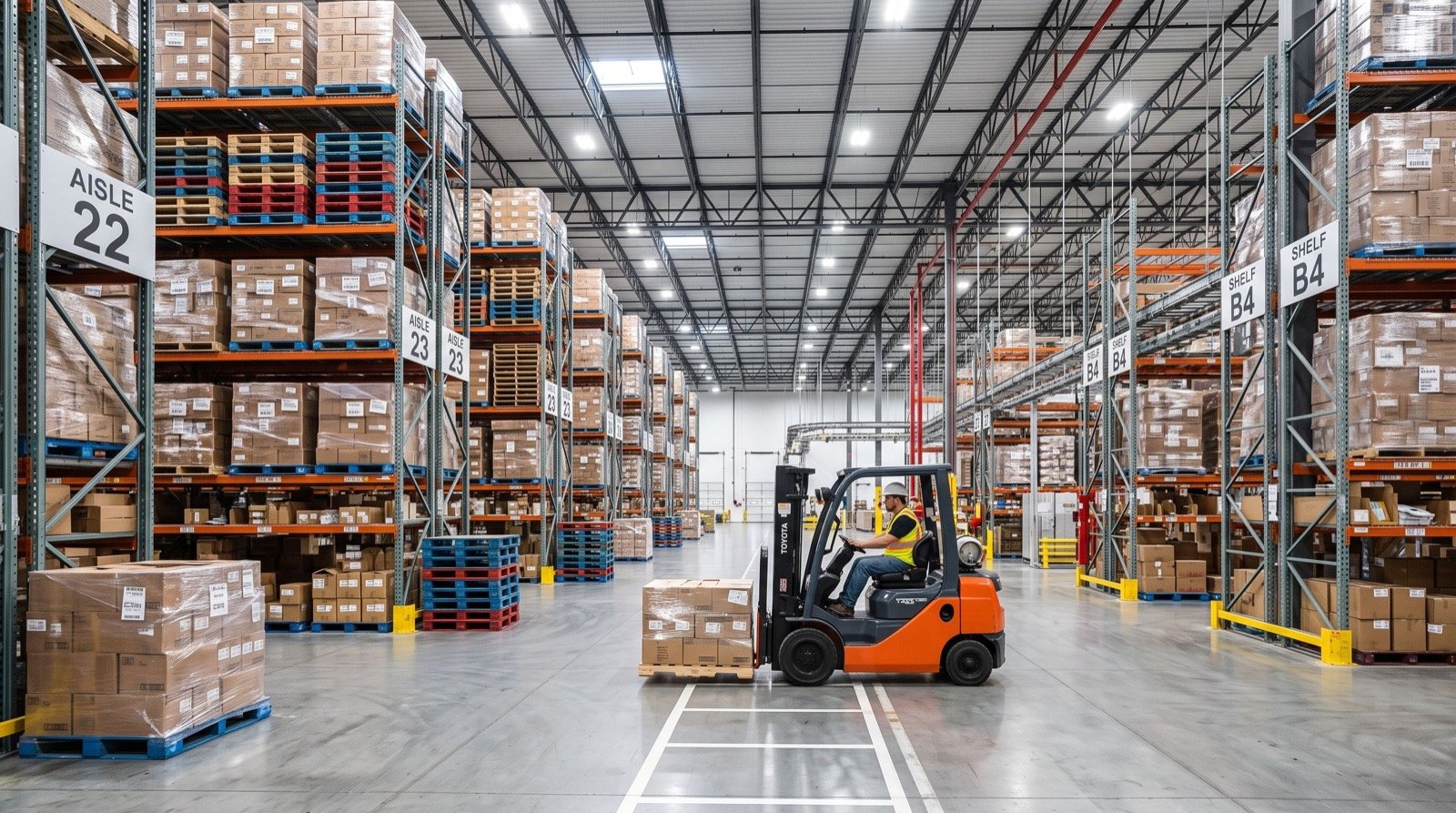
Industrial bakery freezing should sit consistently at -18°C or lower, with minimal temperature swing during door openings. Facilities built for Frozen Storage in Riyadh use strip curtains, fast-close doors, and blast-freezing zones specifically to limit the temperature recovery time after each access — something a standard walk-in freezer in a retail kitchen simply can’t replicate at scale.
Not Everything Needs to Be Frozen
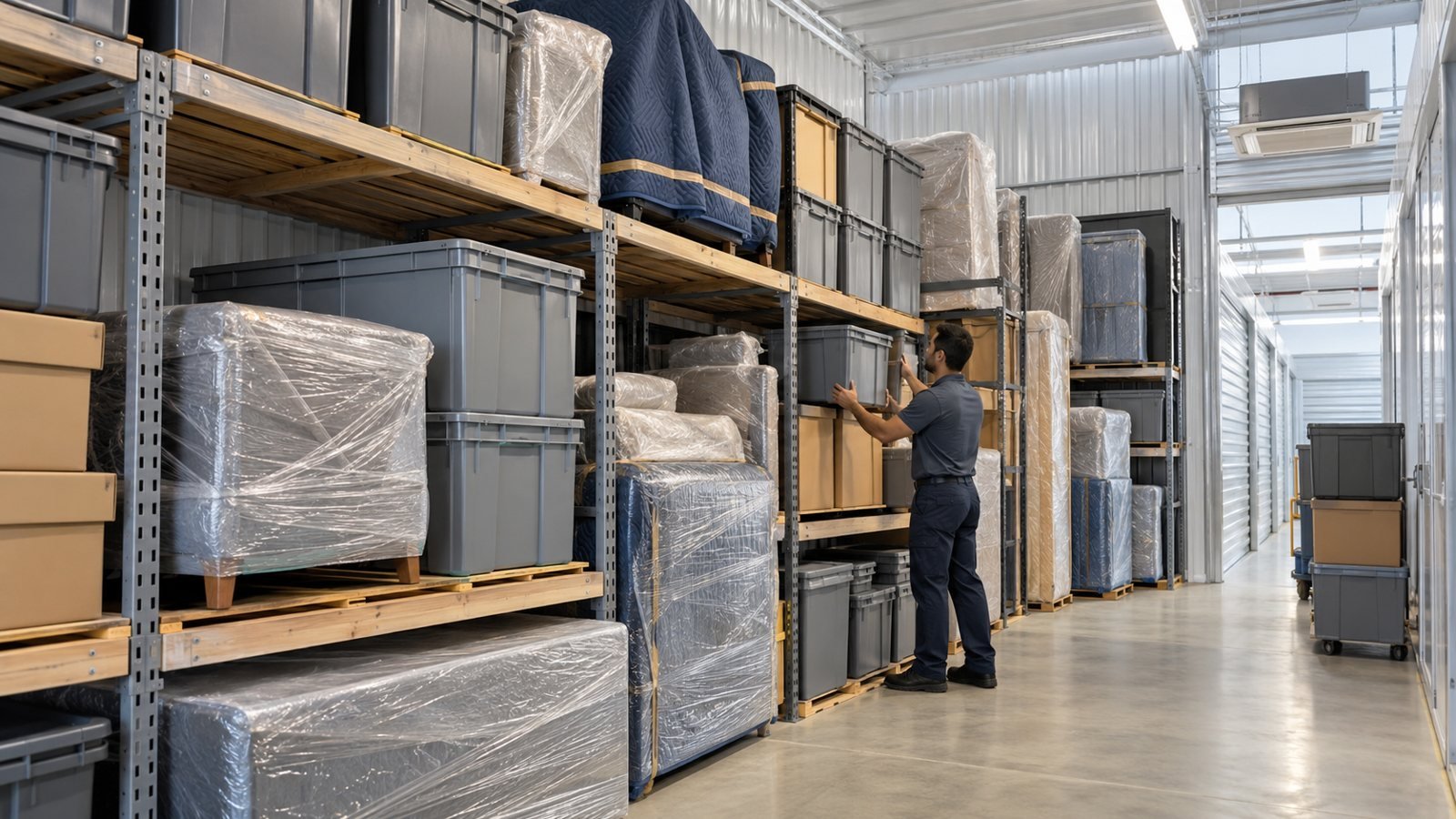
A smart bakery operation segments its inventory. Flour, sugar, packaging, and shelf-stable ingredients don’t need frozen or even chilled conditions — they need low humidity to prevent clumping, pest issues, and mold. For that category, Dry Storage In Dammam offers a far more cost-effective option than paying frozen-storage rates for goods that were never at risk of spoiling in the first place.
How Should a Growing Bakery Split Its Storage Needs?
A practical rule many multi-location bakeries use in 2026: anything containing dairy, eggs, raw dough, or butter goes frozen or chilled; anything dry and shelf-stable goes to dry storage; and only fast-moving daily-use stock stays on-site at the shop itself. This three-tier split cuts storage costs significantly compared to treating every ingredient the same way.
Storage Tiers for Bakery Operations
| Ingredient Type | Recommended Storage | Typical Hold Time |
|---|---|---|
| Laminated/raw dough | Frozen (-18°C or below) | Up to 3 months |
| Butter, cream fillings | Chilled or Frozen | 1–4 weeks |
| Flour, sugar, dry mixes | Dry Storage | 3–6 months |
| Packaging, boxes, labels | Dry Storage | 6+ months |
Calculating the Real Cost of Poor Frozen Storage
Bakery owners often underestimate how much a single spoiled frozen batch actually costs once lost labor, wasted ingredients, and missed delivery commitments are added up. A pallet of ruined laminated dough isn’t just the ingredient cost — it’s the hours a baker spent prepping it, the delivery slot that now ships empty-handed, and the customer who may not reorder after a quality dip.
When framed that way, the modest premium of certified frozen storage over a cheaper, uncertified cold room becomes an easy decision. Most multi-location bakeries that switch to properly monitored frozen storage report the switch pays for itself within the first two or three prevented spoilage incidents, not years down the line.
Should a Bakery Own Its Own Freezer or Outsource Frozen Storage?
For single-location bakeries, an owned commercial freezer is often sufficient. Once a bakery expands to multiple locations or starts supplying wholesale accounts, outsourced frozen storage with professional monitoring and higher capacity usually becomes more cost-effective than scaling owned equipment at every site.
Signs Your Current Frozen Storage Setup Is Failing You
Several warning signs tend to show up well before a catastrophic loss. Watch for these patterns across your supply chain:
- Dough that doesn’t rise consistently despite following the same recipe and proofing time.
- Visible ice crystals inside sealed packaging, a sign of temperature cycling rather than stable freezing.
- Unexplained increases in wasted batches that bakers can’t trace to a recipe or oven issue.
- Delivery trucks regularly idling at the dock for 15+ minutes before unloading in summer months.
- No visibility into temperature logs — if a facility can’t show you a report, assume there are gaps.
An original insight worth sharing from 2026 bakery operations: the most damaging frozen-storage failures rarely come from the freezer itself — they come from transfer windows. The gap between a supplier’s truck and your storage racking is where temperature abuse accumulates unnoticed. Bakeries that negotiate guaranteed dock-to-rack transfer times with their storage partner report noticeably more consistent dough performance than those who don’t track this at all.
Frequently Asked Questions
What is the ideal temperature for frozen bakery storage?
Commercial frozen storage for dough, butter, and fillings should hold at -18°C or lower consistently, with rapid recovery after door openings to prevent temperature cycling that damages texture.
Can frozen dough be safely refrozen after partial thawing?
Generally no — refreezing partially thawed dough damages gluten structure and leavening performance, which is why maintaining an unbroken frozen cold chain from supplier to bakery matters so much.
Is dry storage enough for flour and sugar in Saudi Arabia’s climate?
Yes, provided the facility controls humidity, since the main risks for dry ingredients are moisture-driven clumping, pest activity, and mold rather than temperature itself.
How do I estimate frozen storage costs for a growing bakery chain?
Costs scale with volume and contract length, but most Riyadh frozen-storage providers price by pallet position per month, with multi-month contracts typically reducing per-unit rates substantially.
Working With an Experienced Local Team
Scaling a bakery across Riyadh and beyond means your storage partner becomes as critical as your flour supplier. Vetting generator backup, door-recovery speed, and temperature logging isn’t optional diligence — it’s the difference between consistent product and quiet, expensive waste. For bakery owners also navigating back-office systems during this growth phase, our walkthrough of the experienced local team approach to e-invoicing integration covers similar due-diligence principles worth applying across every operational vendor.
As demand for packaged and frozen bakery goods keeps rising across Saudi Arabia in 2026, bakeries that invest early in properly segmented frozen and dry storage will consistently outperform competitors still treating every ingredient the same way.